“Isn’t this Indiapore?!” The streets of Singapore are packed with Indians, and a wave of tourists from “Indinada” is absolutely stunned—“This isn’t Singapore… this is clearly our Indian Federation!”
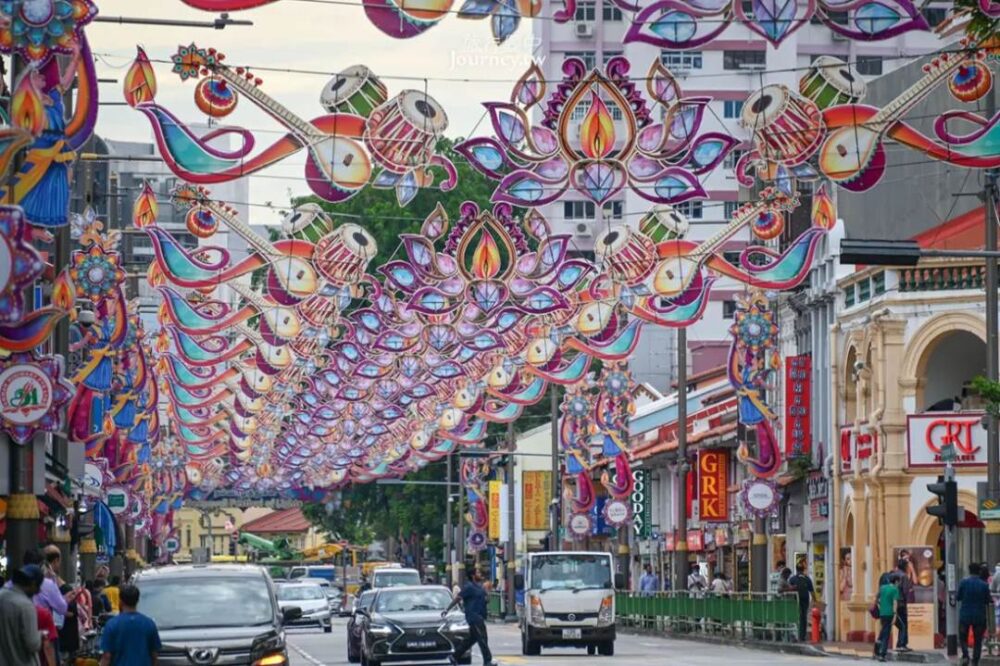
Singapore has always dominated headlines—whether for being “the world’s most livable city” or for its “sky-high cost of living.” Its prestige was untouchable.
But this time, the spotlight shifted dramatically for a surprising reason: Indians everywhere.
Yes, those three words—Indians everywhere—sent Singapore trending wildly on social media. Netizens exploded:
“The moment I got off the plane, the first thing I heard wasn’t Singlish, but fluent Tamil.”
“The air doesn’t smell of trees anymore—it’s curry and spices.”
“On the streets, in shopping malls, everywhere you look—Indians in saris and with kumkum on their foreheads.”
The cultural impact was so strong that first-time visitors couldn’t help complaining online:
“I came to Singapore—how did I end up in Indiapore?!”
But jokes aside—why are Indian elements so overwhelmingly present in Singapore?
Has this global metropolis really been “Indianized”?
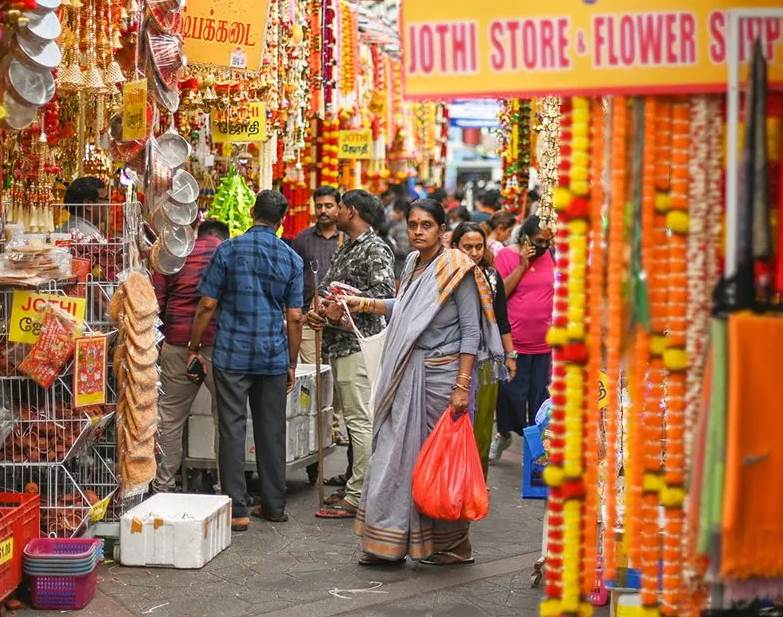
A huge wave of Indians celebrating Deepavali—complete with sacred cows on the streets—shocks foreign tourists
Recently, walking around Singapore feels like stepping straight into India.
Everywhere you look—Indians in traditional attire, lively crowds, music, color, celebration.
Even Chinatown—Singapore’s historic Chinese district—was “taken over.”
Pagoda Street was flooded with Indians. If you didn’t know better, you’d think a new branch of “Little India” had opened there!
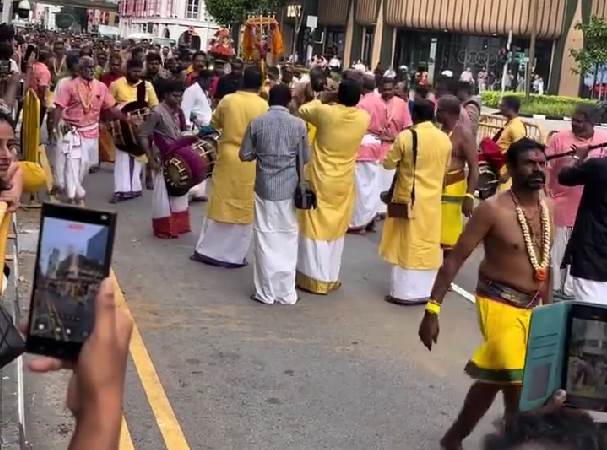
And that’s not all—they practically turned the streets into a Bollywood film set.
Dancing barefoot? That’s nothing. Some guys were swinging their arms shirtless.
But the most jaw-dropping grand finale—
they even brought sacred cows onto the streets to parade!
Netizens joked:
“Well, Singapore has officially become New Delhi now…”
Meanwhile, in Canada, after years of Liberal-party immigration policies, the flood of Indian migrants has already turned the country into “Indinada,” Vancouver into “Vankhgarh,” Toronto into “Torontpur.”
So Singapore becoming “Indiapore”?
“Nothing surprising!” one commenter wrote.
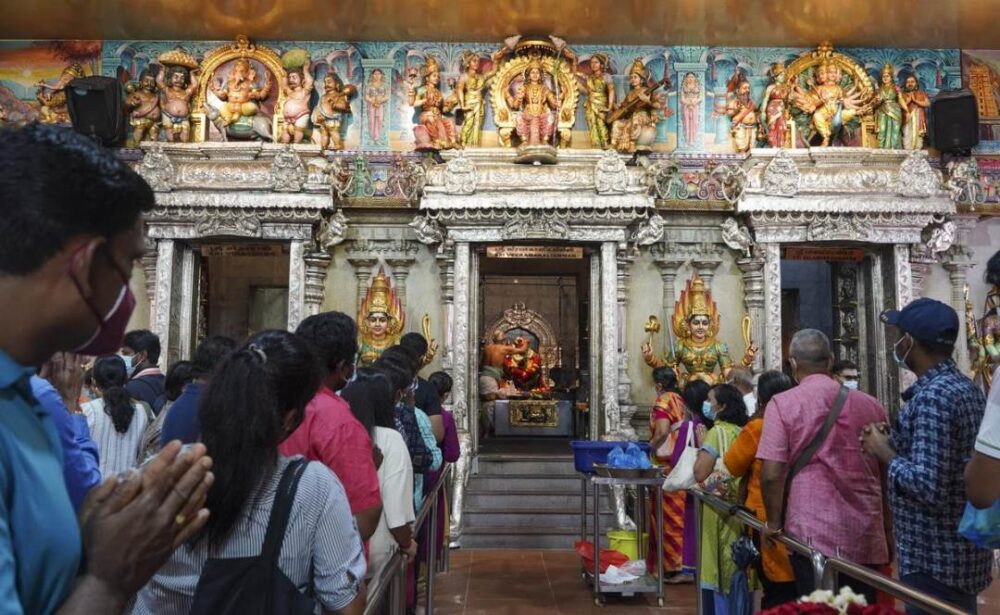
Singapore has Chinatown for the Chinese—but Indians have Little India
Although Indians can be seen all across the island, the true heart and soul of Indian culture in Singapore is undoubtedly Little India—their real “base camp.”
Its story dates back to the 19th century: Europeans built a racecourse, merchants hired Indian workers, more people gathered, temples were constructed, and over the decades this area absorbed pure Indian cultural DNA, eventually becoming today’s vibrant Little India.
Here stands the Sri Veeramakaliamman Temple, dedicated to the powerful goddess Kali, filled with ornate statues and rich Hindu symbolism.
From authentic restaurants to spice shops, from dazzling saris to intricate handicrafts—everything is here.
The air is thick with curry, spices, and street-food aromas—utterly intoxicating.
Bollywood music, bustling marketplaces, and cheerful conversations form the lively soundtrack of the district.
On weekends, crowds grow even larger.
Indian migrant workers gather here to meet friends, chat, remit money home…
With familiar languages and flavors, this place becomes their “happy hometown away from home.”
No wonder the internet is overflowing with commentary and memes about “Indiapore.”
People joked:
“Why stop at Indiapore? We now have India-laysia, Ind-pan, Ind-nada, Ind-tralia, Ind-britain, Indo-nesia…”
Are Indians dominating Singapore’s political scene too? Even the President and Ministers?!
Indians in Singapore aren’t just seen on the streets or in Little India—they play major roles in national leadership as well.
From the President to ministers to opposition leaders, prominent Indian-heritage figures are everywhere.
Two years ago, Tharman Shanmugaratnam won the presidential election with an astonishing 70.4% of the vote, becoming Singapore’s ninth President.
It was a landslide victory that made an Indian-heritage statesman the symbol of the nation.
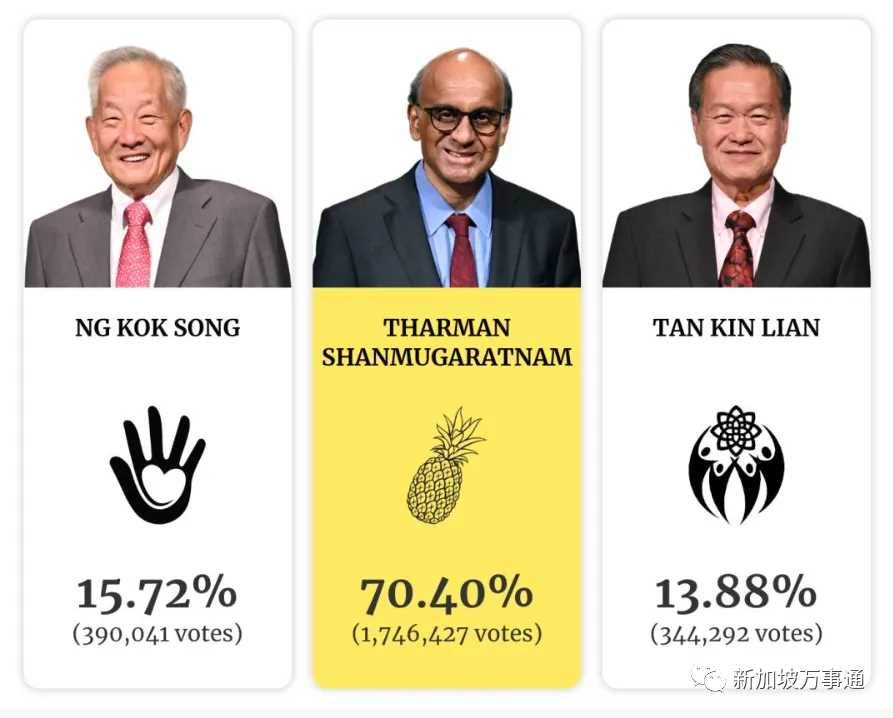
Key government positions feature many Indian-heritage leaders:
- K. Shanmugam, Minister for Home Affairs and Minister for Law
- Vivian Balakrishnan, Foreign Minister, of Tamil–Chinese heritage
- Indranee Rajah, Second Minister for Finance and the Prime Minister’s Office
- S. Iswaran, former Transport Minister (also of Indian heritage)
- Pritam Singh, Leader of the Opposition
This isn’t new—Indian leaders have shaped Singapore for decades:
From founding father S. Rajaratnam, to former President S. R. Nathan, to former Deputy PM S. Jayakumar.
Indian-heritage elites are deeply woven into Singapore’s political fabric—an essential pillar of its multicultural society.
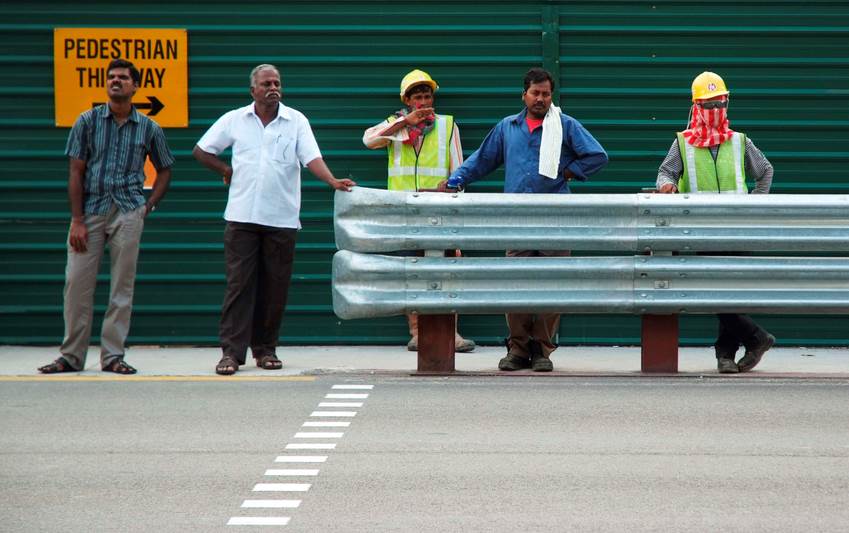
Business? Academia? Indians are everywhere too
Think Indians dominate only politics?
Think again.
From top CEOs to renowned scholars, their influence spans Singapore’s major sectors.
- Piyush Gupta, CEO of DBS Bank, originally from India, has repeatedly been crowned Singapore’s highest-paid corporate leader.
- Investors like Sameer Sain of Everstone Capital have built major operations in Singapore, driving regional capital markets.
It’s often said that in Singapore’s financial district, one in every three white-collar professionals on a work visa is Indian, and nearly one-third of tech-sector senior managers are Indian as well.
In academia, Indian or Indian-diaspora professors are also highly visible.
The most famous is scholar-diplomat Kishore Mahbubani, who memorably quipped:
“Singapore is the most prosperous and cleanest Indian city.”
Half a joke, half truth—reflecting how deeply Indian culture is rooted here.
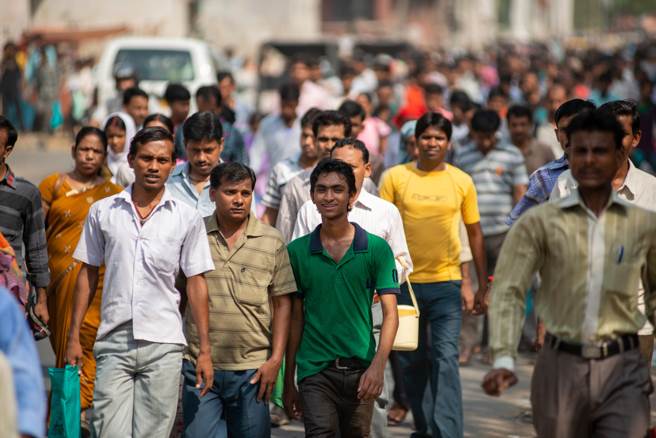
Why are so many Indians in Singapore?
Did you know that one in ten people in Singapore is of Indian origin?
And that proportion is still rising—some predict it may reach 15% by 2040.
From only 120 Indians in 1819 to hundreds of thousands today, this growth didn’t happen by accident.
It’s the result of decades of Singapore’s targeted talent-recruitment strategy.
The turning point came in 2005, when Singapore and India signed the Comprehensive Economic Cooperation Agreement (CECA)—essentially a “fast lane” for highly educated, highly skilled Indian professionals.
Then comes the “chain effect”:
One Indian engineer arrives, soon followed by their spouse, children, parents… sometimes even extended family.
Population snowballs—fast.
It’s not just professionals—India’s super-rich love Singapore too.
DBS Bank reports that wealthy Indians are a major driver of family-office asset growth in the country.
Today, Singapore’s racial makeup remains roughly:
- Chinese 75%
- Malays 15%
- Indians 9%
As Senior Minister Lee Hsien Loong once said, the government acts as a careful “guardian,” maintaining a social balance that people feel comfortable with.
Harmony isn’t a slogan—it’s a national project carried out by everyone.
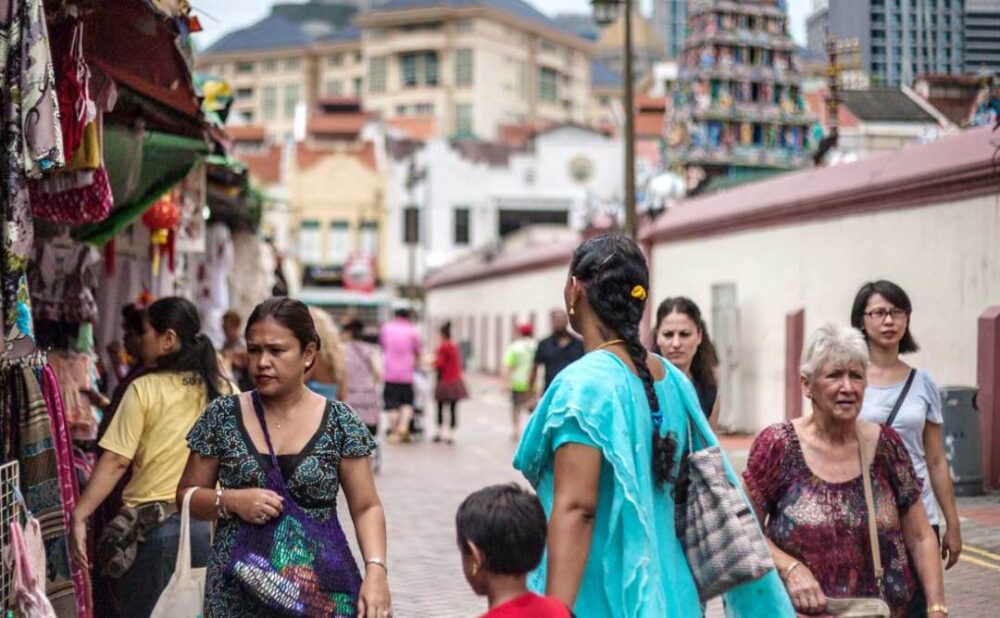
From Lee Kuan Yew to Lawrence Wong: Singapore’s commitment to racial harmony
Singapore’s multiracial foundation isn’t a modern invention—it’s a core promise embedded since nationhood.
(Reblogged from the internet. All copyrights belong to the original author.)